
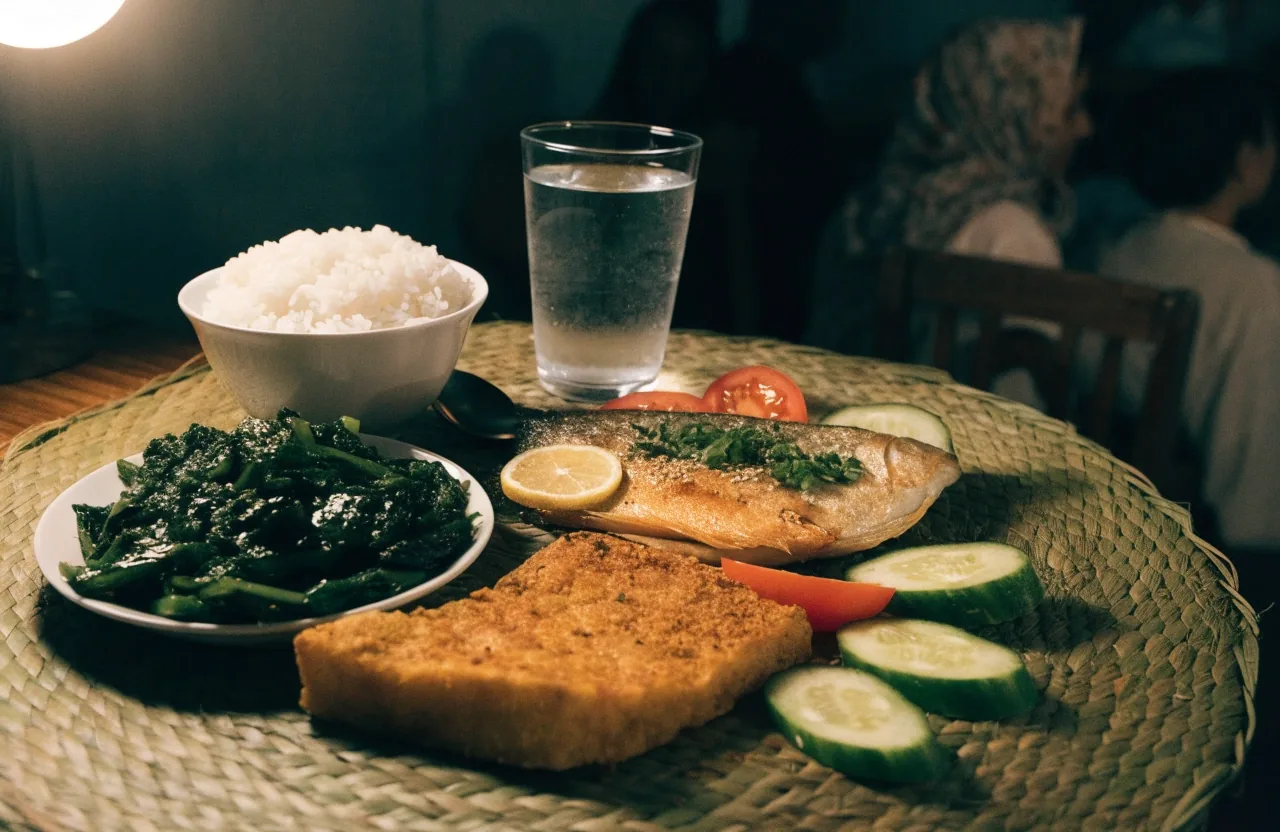
Consultation topics · online sessions with a dietitian
Nutrition topics we cover in consultations
Consultations are built around your question, not a fixed curriculum. These are the topics that come up most often.
A quick key to this page
aFamily meals, one pot
bPregnancy and breastfeeding
cEveryday eating habits
dLabels, portions, daily pattern
How the list works
Pick the question you actually have.
Each topic below works well in an online session, and none of them needs preparation beyond a rough idea of what you eat in a normal week. If your question is not listed, it is still worth asking — describe it and we will tell you honestly whether it fits. Sessions are guidance for everyday eating, not medical treatment, and they work best alongside any care you already receive from your doctor.
Family meals
Family meals and shared cooking
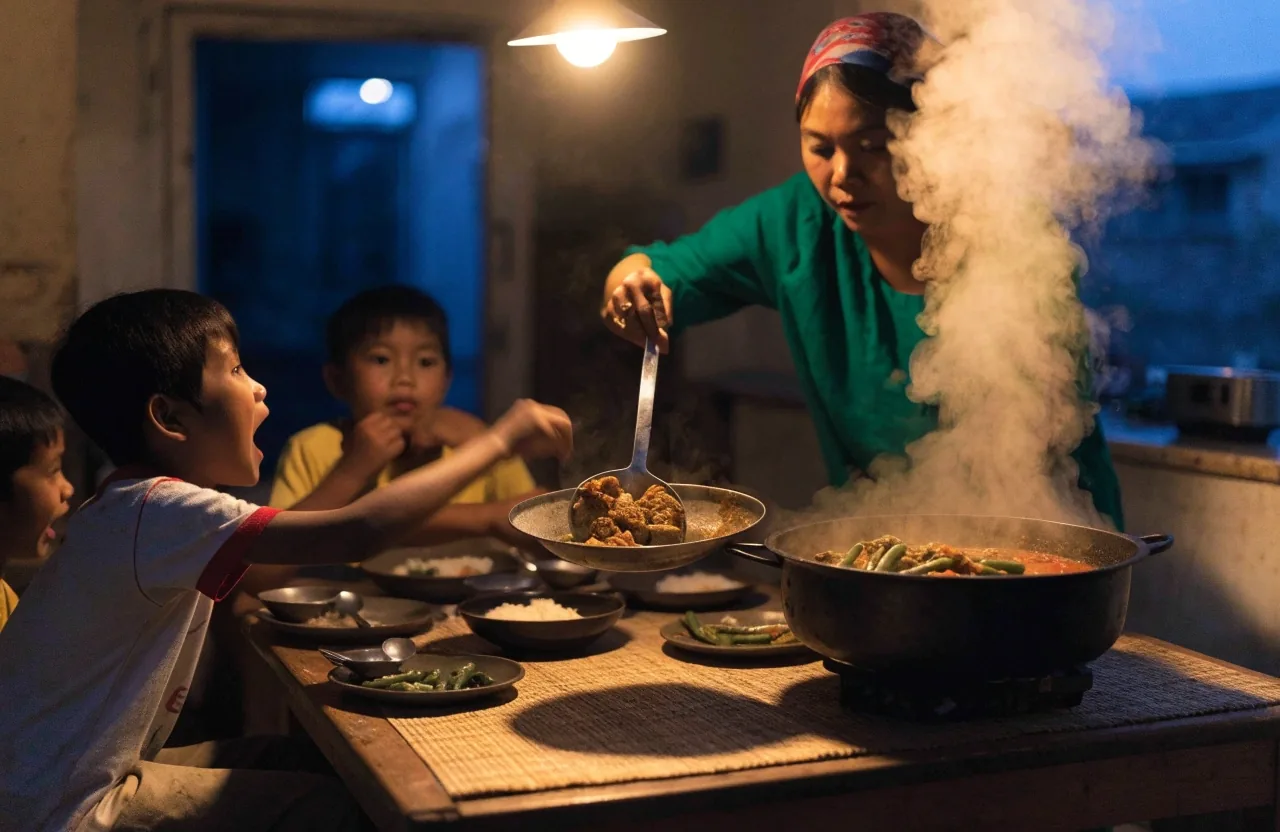
Most Indonesian households cook one meal for everyone, so guidance has to work with one pot. We look at the shared dishes and adjust what goes on each plate: more vegetables on the side, protein spread across the meal, portions that match who is eating. A teenager, a parent, and a grandparent can eat from the same dish with different proportions. This is where Isi Piringku earns its keep.
AOne shared pot, three plates
BVegetables as a side, not a task
CProtein across the day
DPortions by age at the table
Pregnancy nutrition
Pregnancy is one of the most requested topics in Indonesian online consultation profiles, usually alongside breastfeeding. Sessions focus on eating patterns and daily planning rather than a list of restrictions: how to get enough protein and iron from foods you already eat, how to handle appetite changes, and how to plan meals around fatigue. It is practical guidance, and it works best alongside your doctor's care.
Bring your usual week, not a food diary written for the session.
Breastfeeding and postpartum eating
Feeding a newborn reshapes the day, and meals get planned around it or not at all. Sessions cover how to keep protein and fluid intake steady when time is short, what to keep on hand for quick meals, and how to adjust portions. This topic pairs naturally with pregnancy nutrition, and many people come back for it after the birth.
Quick meals that still carry protein are the usual starting point.
Older-adult nutrition
Appetite, hydration, and protein needs change with age. For older adults, sessions often focus on making meals easier to eat and more nutrient-dense without larger portions. Families who cook for an older parent sometimes join the conversation. The goal is a routine that keeps strength and hydration steady, using foods the household already prepares.
Softer textures and smaller, more frequent plates come up often.
A note before you read on
No topic here needs a strict menu to be useful. A workable routine beats a written plan you never follow.
Life-stage nutrition and everyday eating habits
Children, teenagers, adults, pregnancy, breastfeeding, older age. Each stage changes what matters, and a single household often spans several. A session can address one stage or look at how to feed a family where the needs differ.
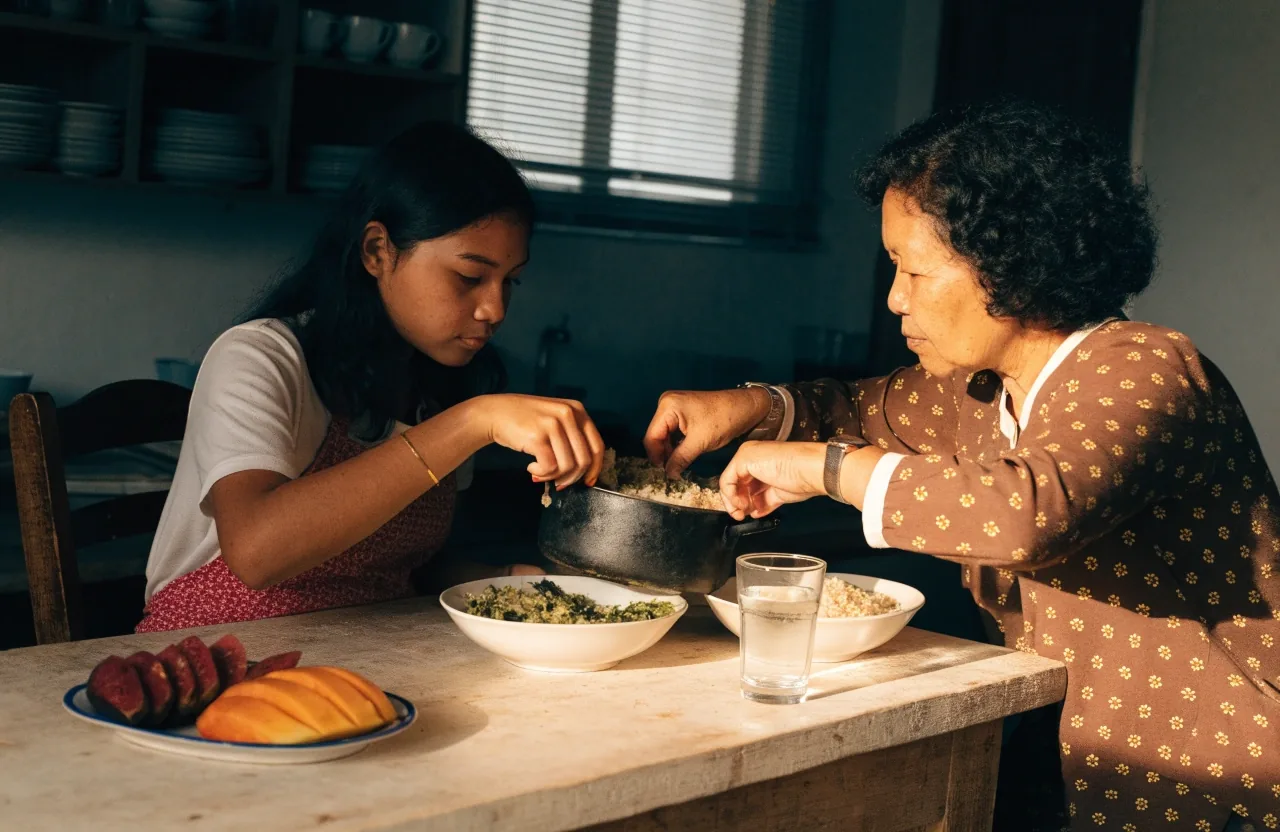
Same table, different plates
We start from what the household already cooks, then adjust proportion and frequency per person rather than cooking separate meals.
Everyday eating habits
Skipping meals, late dinners, snacking without noticing. These patterns come up constantly, and they are often more useful to address than any single food choice. We look at when you eat, how often, and what gets in the way during a normal week. Changes here are usually small and specific, like shifting dinner earlier or adding something to breakfast.
AWhen meals actually happen
BWhat gets in the way mid-week
COne change at a time
Weight and body-weight management
Steady adjustments, not a rapid-change plan
This is a common consultation topic, and it is handled without dramatic framing. There is no rapid-change plan here. Sessions focus on steady adjustments to portions, meal structure, and drink choices, built around food you already eat. If you are managing a related medical condition, we work alongside your doctor's guidance rather than replacing it.
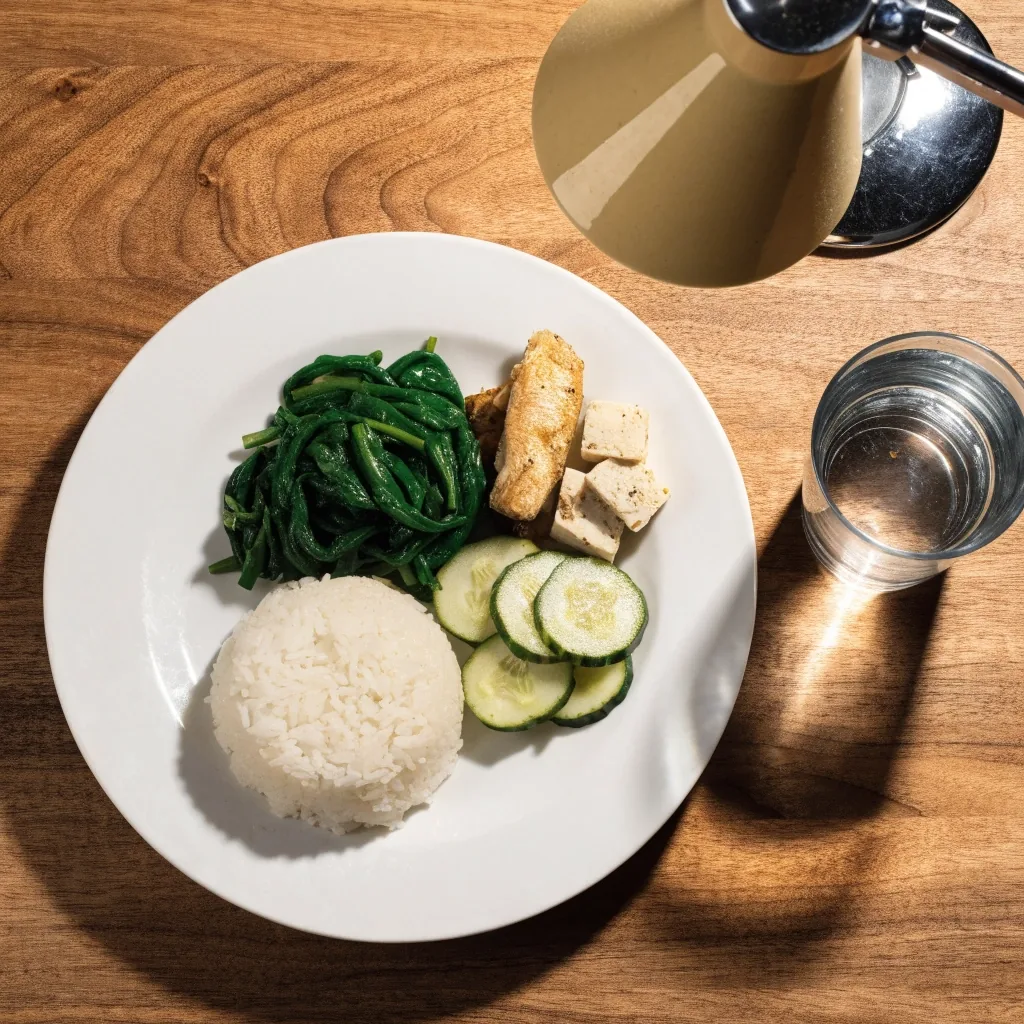
APortion size on the same plate
BMeal structure across the day
CDrink choices, counted honestly
DWorking alongside your doctor
Nutrition misconceptions
Sorting advice from noise
A lot of nutrition information circulates online without context. Sessions are a place to sort through it: whether a food needs to be avoided, whether a supplement is necessary, what a label claim actually means. A 2026 article comparing Indonesia's plate guidance with global recommendations found the guidelines align on limiting free sugars and salt and using water as the default drink, which gives us a reference point for separating useful advice from noise.
When a claim comes up in a session, we usually ask three things about it: what the source is, what the recommended amount actually is, and whether it changes anything you eat on a normal day. If it does not, it stays on the shelf.
What usually comes up in a session
AIs this food off-limits?
BDo I need this supplement?
CWhat does the label claim mean?
DDoes it change my normal week?
Reading food labels
Bring a product you actually buy
We will go through the label together: serving size, sugar, sodium, and how many servings the package holds. This is one of the most practical topics in a session because it changes what happens at the supermarket, not just what you know. Once you have done it with one product, the habit transfers.
A useful habit is to read the serving size first, because sugar and sodium numbers only mean something against the amount a package actually holds.
Serving size
How much one portion is written as, and how many of those the package holds.
Free sugars
Where the sweetener sits in the list, and whether a drink or a snack is carrying it.
Sodium
Seasoning, sauces and instant products are where it stacks up fastest in a normal week.
Fiber
Serat is the number that decides whether a snack actually holds you until the next meal.
Asupan harian and meal planning
A structure for the day, not a menu on paper
Some people want help with the whole day: how meals fit together, where protein lands, whether serat is covered. Sessions can map out a daily pattern you can repeat without much thought. It is less about a menu harian written in advance and more about a structure you can fill with whatever is available.
FAO Indonesia's food-based dietary guidelines cover variety, vegetables and fruits, and safe water across stages, and we translate that into your kitchen.
Morning
Something with protein before the commute, even when breakfast is small.
Midday
The main meal where vegetables and rice are easiest to balance on one plate.
Evening
A lighter plate, eaten earlier where the household schedule allows it.
A repeatable day usually covers three things: protein at each meal, vegetables at two, and water as the default drink.
Questions before you register
Not sure your topic fits an online session?
Contact us and describe it. We will tell you honestly whether it is a good fit, and if it needs in-person or medical care, we will say that too. There is no cost to asking.
Gizi Seimbang Konsultasi
Jl. Basuki Rahmat No. 12
Surabaya, Jawa Timur, 60271
Indonesia
Phone: +62 31 531 9876
Monday to Friday, 09:00–18:00
How long is a consultation, and what do I need to prepare?
Sessions run online during working hours, and the length depends on what you bring. Nothing formal is needed beforehand. A rough idea of what you and your household eat in a normal week is more useful than a carefully recorded diary written for the occasion.
Can a consultation replace medical treatment?
No. These are nutrition sessions about everyday eating, and they work alongside the care you already receive. If your question needs a doctor, a midwife, or an in-person visit, we will say so rather than keep the conversation inside a nutrition session.
Can my family join the same session?
Yes. Family meals, older-adult nutrition, and life-stage topics often involve more than one person, and it helps when the person cooking is part of the conversation. If several people need different advice, we can look at the same household dish and adjust each plate in it.
What if I want to talk about several topics at once?
That is common. Many people arrive with a question about a family meal and end up discussing a parent's appetite or their own late dinners. We choose one starting point so the session stays useful, then map the rest into what happens next week.
Before your first session
Bring one week in mind, not a perfect record. If you are cooking for a household, note who eats from the same pot and roughly how the plates differ. If you are bringing a label question, have the product to hand. If you are registering on behalf of a parent, it helps to join the first session so the guidance fits the kitchen it will happen in. Read the everyday nutrition guide while you wait, and use the registration page when you are ready to pick a time.
Where to go next