

Online dietitian consultations · Surabaya and anywhere in Indonesia
Online nutrition consultations for Indonesian families
A plan built around the rice, tempeh, and cooking rhythms you already have at home — reviewed by a registered dietitian, then adjusted step by step.
- A
- Your usual meals, written down before the session
- B
- Portion sizes mapped onto Isi Piringku
- C
- Two or three changes to try in the first month
- D
- Notes on protein, serat, water, and label makanan
Most people don't need a complicated diet. They need a plan that fits what is already on the table. We connect you with a registered dietitian (dietisien) or nutritionist (nutrisionis) through an online consultation, so you can talk through your daily eating pattern without leaving Surabaya or wherever you live.
Everyday guidance, not a strict program
People often expect a dietitian to hand them a list of forbidden foods. That's not how this works here. A pola makan you can maintain for months beats a strict plan you abandon in two weeks. We start with what you already eat, adjust the parts that aren't working, and build from there. The first session usually ends with two or three changes, not twenty.
Read the everyday nutrition guide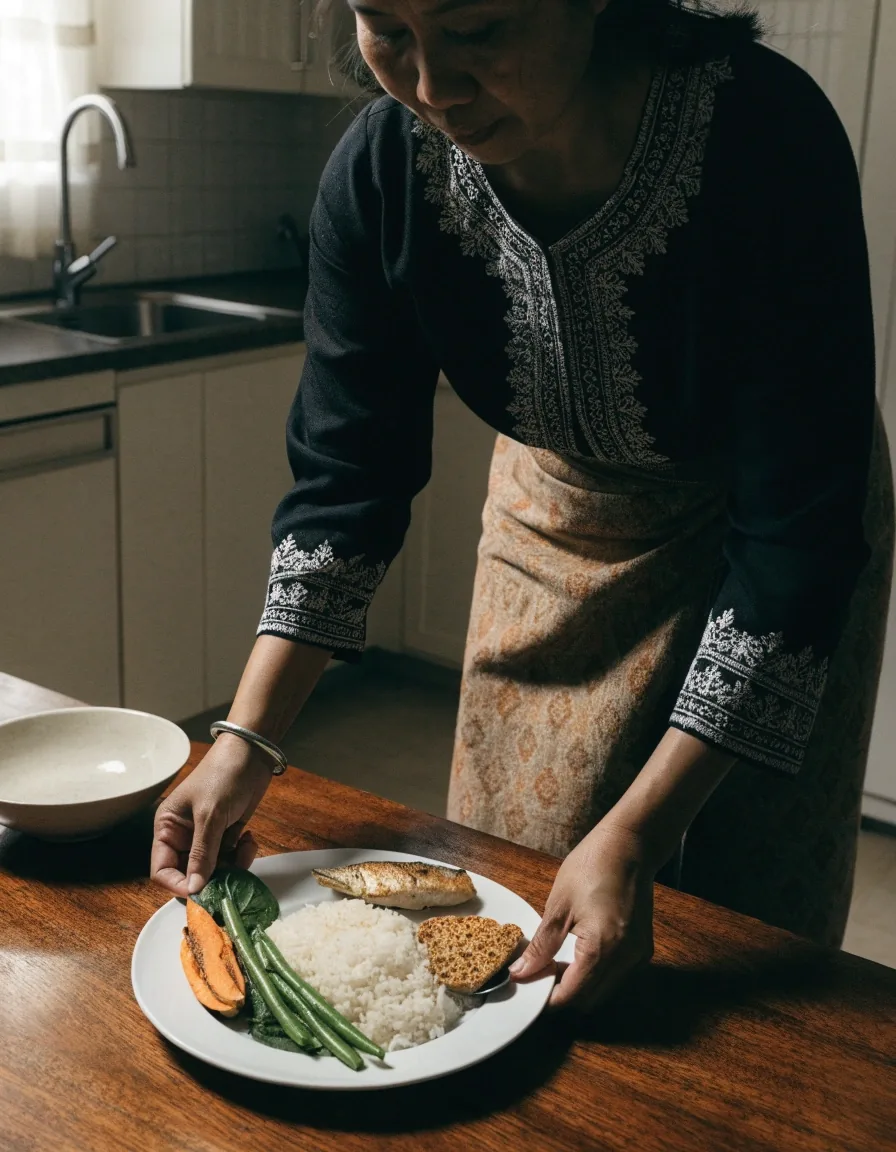
The Isi Piringku starting point
Isi Piringku is Indonesia's plate model, and it's the simplest visual tool we use. Half the plate is fruits and vegetables, one quarter is carbohydrates, and one quarter is protein. That's it. Most people find the hard part isn't understanding the model, it's applying it to nasi campur, soto, or a plate of gado-gado. In a consultation, we map the model onto the meals you already eat, so you're adjusting portions rather than rebuilding your whole menu harian.
Half the plate
Sayur and fruit first. Whatever is in season at the pasar, cooked the way your household already cooks it — kangkung, kacang panjang, cucumber, papaya.
One quarter carbohydrate
Nasi, lontong, ubi, or noodles. The portion is the adjustment most people make first, and it changes very little about how the dish tastes.
One quarter protein
Tempeh, tahu, eggs, fish, chicken, beans. Spreading it across the day usually matters more than loading it all into dinner.
What an online consultation actually looks like
A remote nutrition session runs much like an in-person visit, minus the waiting room. You share your background, eating habits, and goals through the registration form; the dietitian reviews it before you meet. During the session you talk through your usual meals, portion sizes, and any health context that matters for your food choices.
A 2026 study on telenutrition in Indonesia noted that dietitians see remote care as improving access to services, while also flagging real limits like the lack of physical examination and internet connectivity issues. We plan around those limits, and if your connection is unstable we build the session around that.
You fill in the form on this page: name, contact details, goals, and anything the dietitian should know. Keep a rough record of what you eat for two or three days if you can.
You meet online at an agreed time and go through your usual meals, portions, snacking, and drinks. Questions are welcome at any point — this is a conversation, not a lecture.
You leave with a small set of specific adjustments and a sense of what to watch for in the following weeks. If a change doesn't fit your week, you say so and we adjust it.
Who this is for
- aFamilies cooking one pot for everyone
- bOffice workers in Jakarta or Surabaya who eat out most days
- cParents figuring out pregnancy or breastfeeding nutrition
- dAdult children helping an older parent eat better
You don't need a diagnosis to book a session — a question about food is enough.
If your question is about pola makan, asupan harian, or how to read a label makanan without getting lost, it fits here. Some visitors arrive with a specific goal and others simply want a second opinion on what a normal week looks like. Both are useful starting points.
Sessions are held in Bahasa Indonesia or English, whichever you are more comfortable speaking, and you can bring a family member to the call if the meal planning is shared.
A realistic first month
The pace is deliberate, because that is how habits stick. Nothing here is a race, and nothing is set in stone after the first week.
Week one
Mostly listening: your usual meals, your schedule, and the constraints you are working around. No targets yet.
Week two
You have specific adjustments to try — usually two or three, chosen because they fit the meals you already cook.
Week three
Noticing what worked and what didn't. Some changes fit your life and some don't, and it is worth saying which is which.
Week four
The plan usually looks different from where it started, shaped by what actually happened rather than what we assumed.
What a dietitian does, and what they don't
Nutrition guidance supports your health. It works alongside medical care, not instead of it.
Dietitians in Indonesia work under minimum competency standards set by the Ministry of Health, which describe them as professionals expected to provide competent, quality services. That is the bar we hold ourselves to. What we don't do: prescribe medication, replace your doctor, or promise a specific result. If something in your situation needs a physician, we will say so.
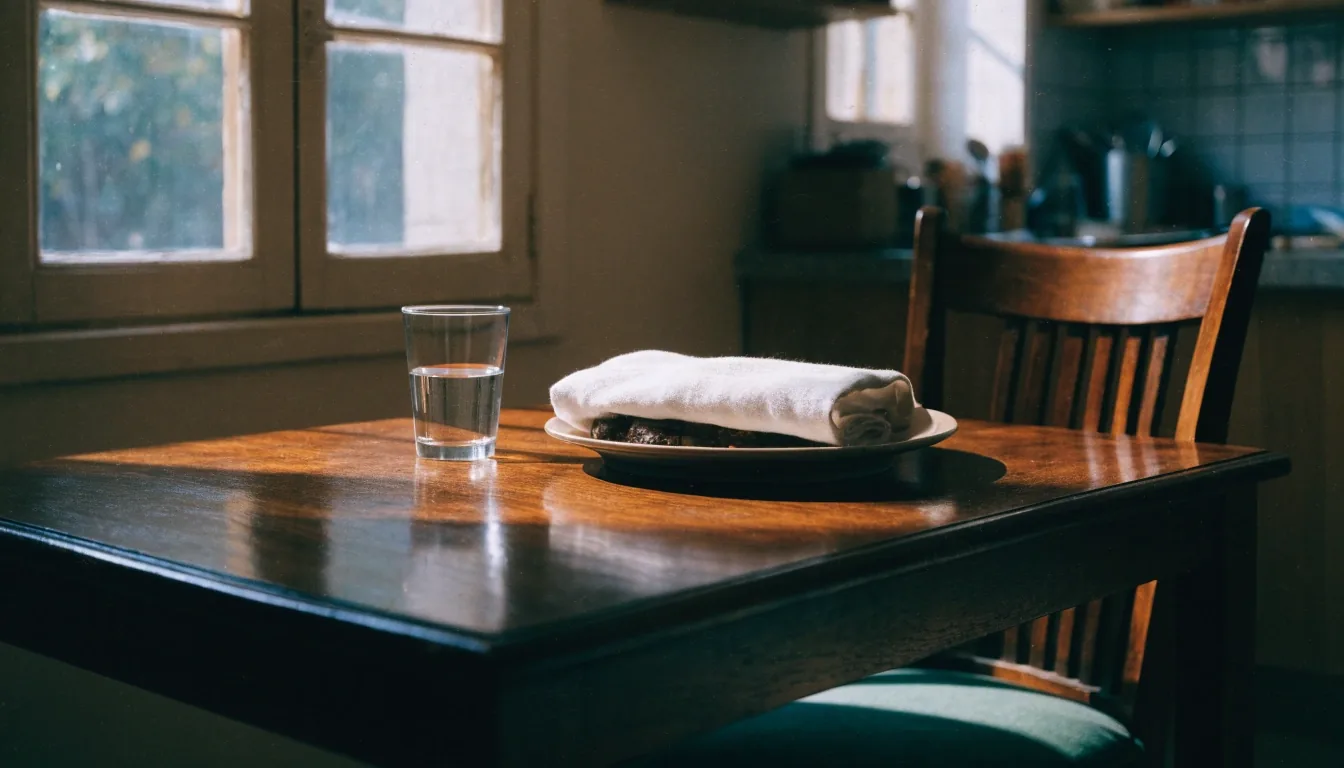
The same counter, three moments in the day
Most guidance fails at the kitchen counter, not in the theory. These three plates come from one household, one counter, one light — the only thing that changes is the hour. Eating regularly matters more than eating perfectly, and the morning plate is the one people skip most often.

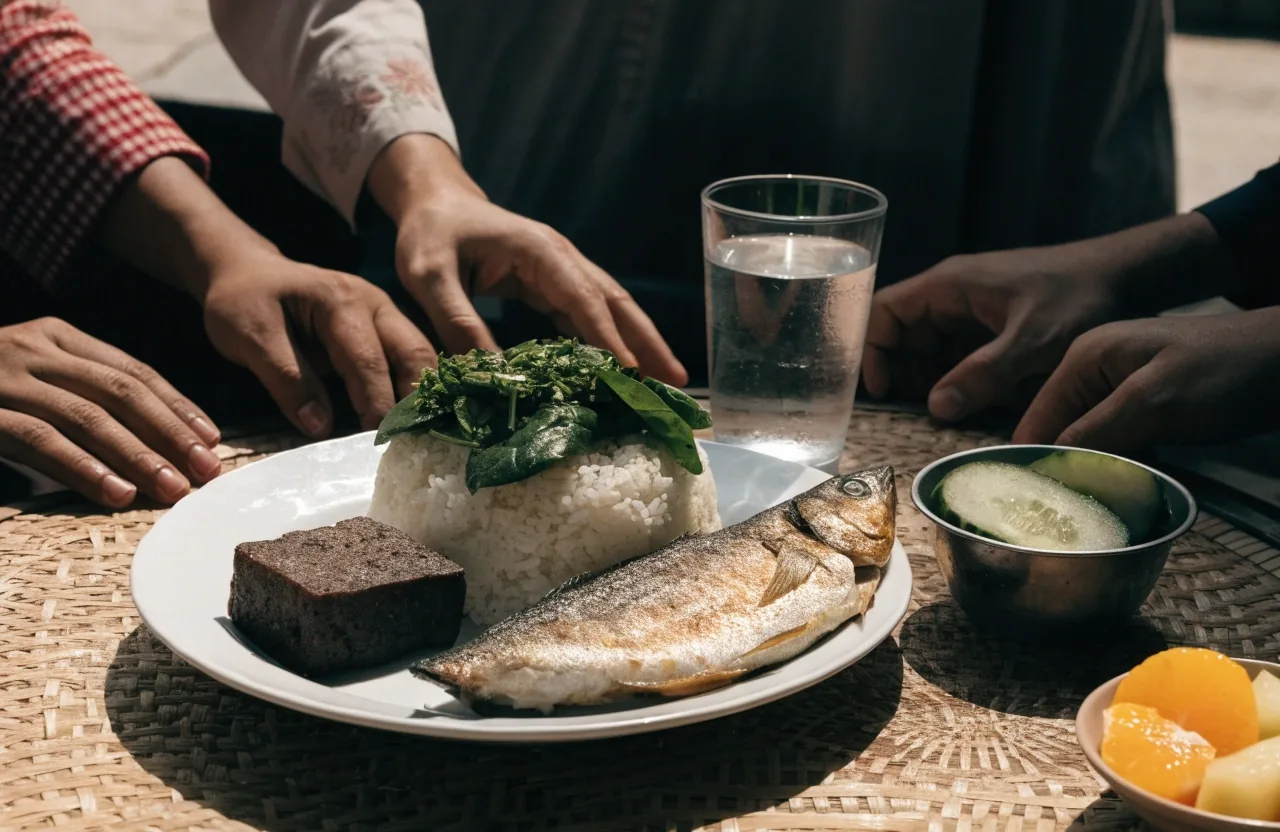
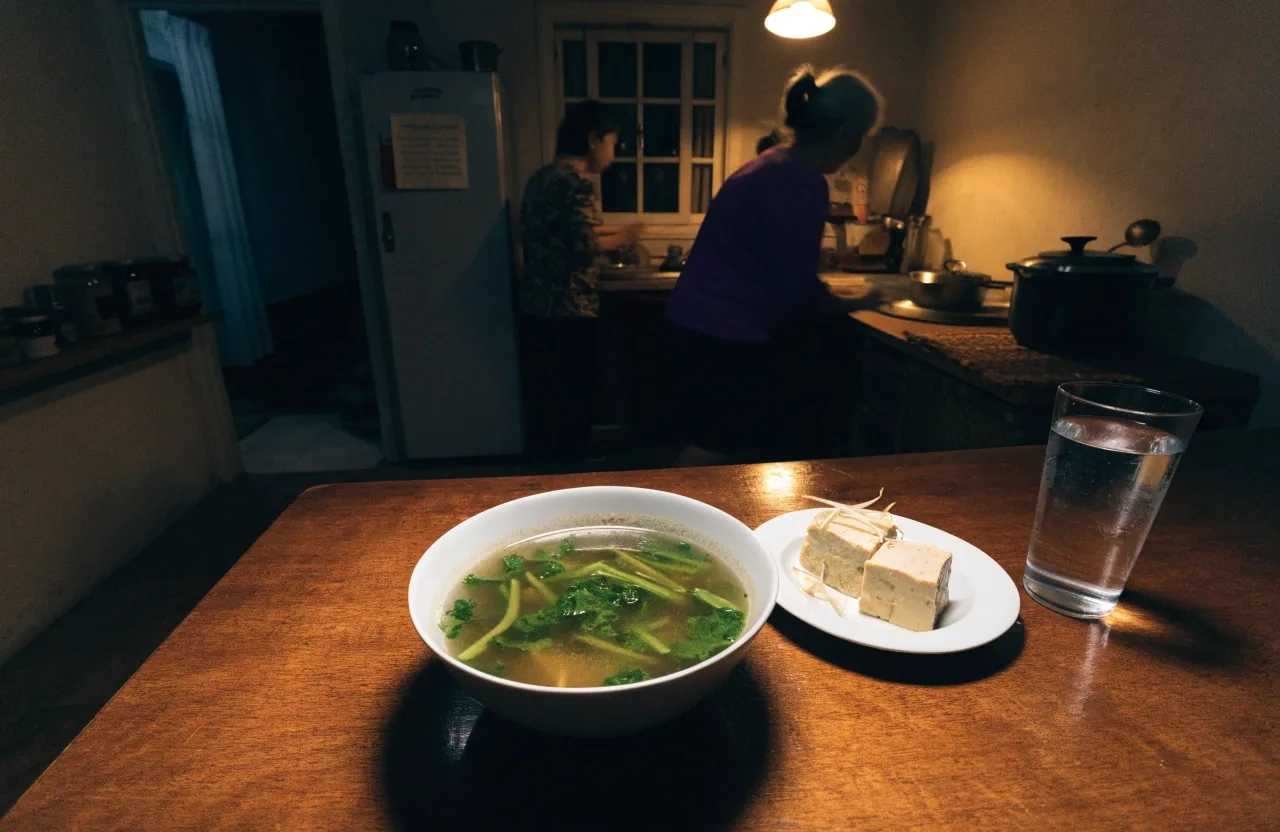
Reading the three plates together is more useful than judging any single one. Skipping breakfast, eating late, and snacking without noticing are common patterns, and they are usually more useful to work on than any single food choice.
Protein, serat, and the things people skip
Two nutrients come up in almost every session: protein and serat. Protein shows up in tempeh, tahu, eggs, fish, chicken, and beans, and spreading it across the day often matters more than loading it all at dinner. Fiber comes from vegetables, fruit, and whole grains, and most people get less than they think. We don't hand you a number and walk away. We look at your current menu and find two or three realistic swaps.
- Protein at breakfast
- An egg, a piece of tempeh, or leftover tahu added to the morning plate. Small change, large effect on the rest of the day.
- Serat at dinner
- One extra vegetable dish on the table. If the family already cooks sayur, the dish exists — the question is the portion.
Booking your session
Registration is a short form: your name, contact details, a bit about your goals, and anything you want the dietitian to know before the session. Fill it in below and submit, and we will follow up to confirm and arrange a time. There is no obligation at the form stage, and no payment details are collected here.
Sessions run online, so you can join from home, an office, or a family member's house. A 2026 qualitative study on telenutrition in Indonesia highlighted flexibility in time and location as a real benefit, along with more tailored guidance. The same study noted barriers we take seriously: limited physical examination and connectivity problems. If your internet is unstable, tell us in the form and we will plan around it.
Questions about the process before you commit are welcome — write to the team and we will answer plainly.
What to have ready
- aA rough picture of what you eat on a normal day, snacks and drinks included
- bAny health conditions or medications the dietitian should know about
- cTwo or three questions you want answered in the session
A simple food record for two or three days is plenty. It does not need to be detailed.
Register for a consultation
Tell us a little about your eating pattern and what you would like to work on. A dietitian reviews every form personally before the session, so it helps if you write in your own words rather than trying to sound clinical.
- Telephone
- +62 31 531 9876
- [email protected]
- Office hours
- Monday to Friday, 09:00–18:00
- Office
- Jl. Basuki Rahmat No. 12, Surabaya, Jawa Timur, 60271, Indonesia
Consultation request form
Questions people ask before booking
If your question is not here, contact the team and we will answer it plainly.
How does an online nutrition consultation usually work in Indonesia?open
You register with your details and goals, a dietitian reviews the form, and you agree on a time to meet online. The session covers your usual meals, portions, and questions, and you leave with a few specific adjustments. Remote care offers flexibility in time and location, though it does have limits, including no physical examination and possible internet issues.
What should I prepare before a dietitian consultation?open
Have a rough picture of what you eat in a normal day, including snacks and drinks, and note any health conditions or medications. If you can, keep a simple food record for two or three days. It doesn't need to be detailed. Knowing your questions in advance also helps you get more out of the session.
Do I need a registered dietitian or a general nutrition coach?open
A registered dietitian in Indonesia works under the Ministry of Health's minimum competency standards and is trained to give competent, quality nutrition services. If your question involves a medical condition, pregnancy, breastfeeding, or older-adult nutrition, a dietitian is the appropriate choice.
What is the simplest way to follow Isi Piringku at home?open
Aim for half the plate as fruits and vegetables, one quarter carbohydrates, and one quarter protein. Use the plate you normally eat from and adjust the proportions rather than changing the dish. It works with nasi, tempeh, vegetables, and whatever protein is on the table.
Can nutrition guidance be personalized for pregnancy, breastfeeding, or older adults?open
Yes. These are common consultation topics in Indonesia, often discussed alongside family nutrition. Each life stage changes what the body needs and how meals get planned, so guidance is adjusted to your situation rather than applied as a single rule.
How do I read food labels in Indonesia without getting confused?open
Start with serving size and how many servings are in the package, then check sugar and sodium. Most confusion comes from reading the numbers for the whole pack instead of one portion. You can bring a product you actually buy to a session and go through it with your dietitian.
Where to continue
Start with the form, or read a little more first
Either route works. Many visitors read the guide or the list of topics before they fill anything in, and that is fine — the form stays where it is.
- Register for a consultation
- The full form, with more detail on what the dietitian asks for.
- See how consultations work
- What happens before, during, and after the online session.
- Read the everyday nutrition guide
- Practical notes on portions, protein, serat, drinks, and labels.
- Browse consultation topics
- Family meals, pregnancy, older adults, and everyday eating patterns.
Gizi Seimbang Konsultasi · Indonesian nutrition guidance online.